
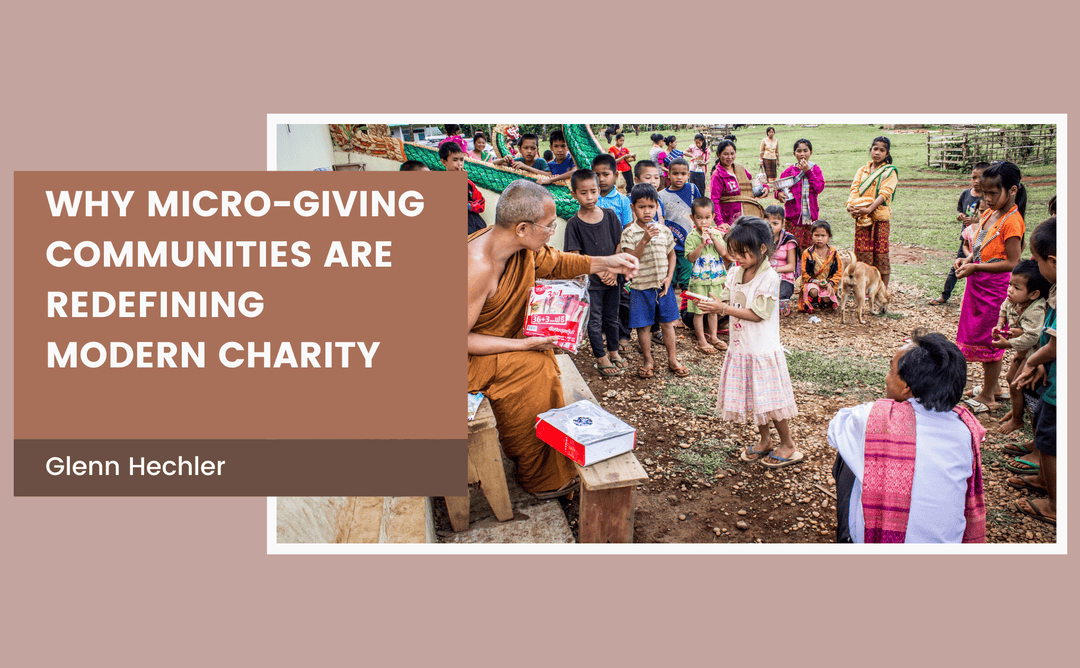
In a world where large philanthropic campaigns often dominate headlines, a quieter but powerful movement is reshaping the way people give: micro-giving communities. These groups, built on small contributions from many individuals, are proving that meaningful impact doesn’t require deep pockets—just collective intention. As charity becomes more democratized and community-driven, micro-giving is emerging as one of the most influential forces in modern generosity.
Micro-giving communities are typically formed around shared values, local needs, or common interests. Members contribute small amounts—sometimes as little as a few dollars—but the cumulative effect is often transformative. Whether it’s funding emergency medical expenses, supporting classroom projects, or helping local businesses stay afloat, these communities demonstrate how small gestures can create real, timely change.
One reason micro-giving has gained momentum is accessibility. Traditional charitable giving can feel distant or complicated, often requiring formal processes or long-term commitments. Micro-giving, on the other hand, is simple and immediate. Digital platforms, crowdfunding sites, and social media groups make it easy for people to discover causes, donate quickly, and witness outcomes firsthand. This immediacy fosters trust and transparency—two qualities that modern donors value deeply.
Another defining feature of micro-giving communities is their sense of connection. Unlike large organizations that may feel impersonal, micro-giving brings people together around shared stories and local impact. Members often see exactly where their money goes and can engage directly with beneficiaries or organizers. This creates a powerful feedback loop: donors feel emotionally invested, and recipients feel supported by a community that genuinely cares.
Micro-giving is also helping redefine who participates in philanthropy. You don’t need wealth to contribute—you only need the desire to help. This inclusivity is especially important among younger generations who are eager to make a difference but may not have the financial resources for traditional philanthropy. Through micro-giving, they can still engage meaningfully and consistently.
Most importantly, micro-giving communities challenge the idea that charity must be large-scale to be effective. They prove that compassion, when distributed among many people, can be just as impactful as a major donation. It’s philanthropy rooted in everyday individuals—neighbors helping neighbors, online circles supporting those in crisis, and small groups funding dreams one dollar at a time.
As micro-giving continues to expand, it’s redefining charity not as an act reserved for the privileged, but as a collective power that anyone can hold. In this new era, generosity is measured not by the size of the gift, but by the strength of the community behind it.